Fits on a label or a jar
Labels carry ingredients, logos and legal text. A short .best name fits in the space left and tells shoppers where to reorder.
Industry Solutions · Food
Food is chosen with the eyes and recommended by word of mouth. Shoppers discover a sauce at a market, a recipe on a video or a bakery through a friend, then look for it again. They also ask AI assistants for the best recipe or the best olive oil for cooking. A .Best domain gives food brands, producers and recipe creators a short, appetising name that fits on a label and is easy to find again.
Updated
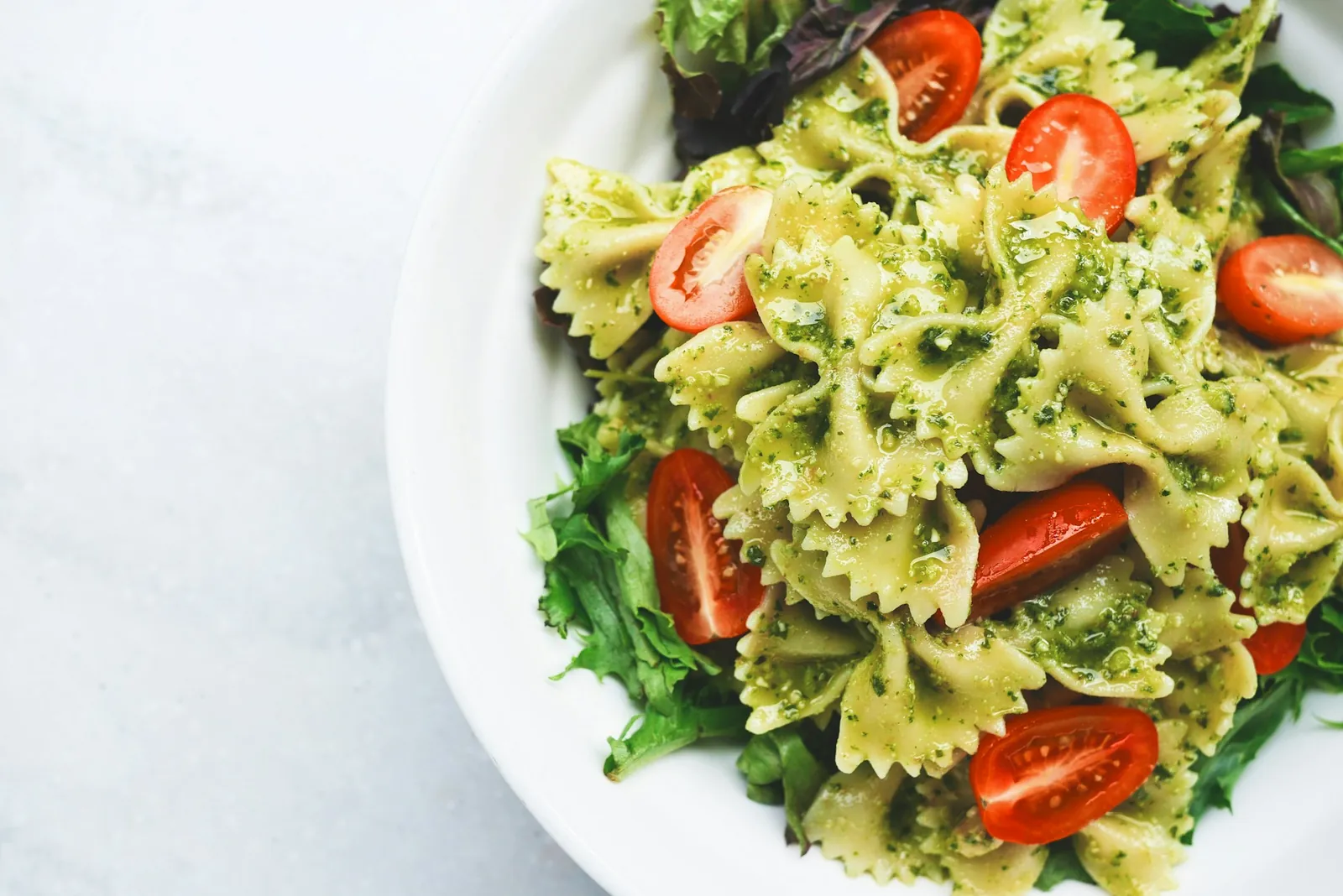
Labels carry ingredients, logos and legal text. A short .best name fits in the space left and tells shoppers where to reorder.
People search for the best sourdough, the best hot sauce or the best vegan brownies. A product plus .best names what they want.
Producers sell through shops and markets, yet a direct online shop builds a customer base. A name on the label sends buyers there.
Recipe pages keep customers coming back between purchases. A recipe hub on a .best name connects cooking ideas to your products.
People look for food ideas everywhere: recipe blogs, videos, family notebooks and now AI assistants that plan a week of dinners or a holiday menu in seconds. Many cooks still prefer recipes written and tested by a real person, and they trust the creators and producers whose pages they know. For food brands, bakers and recipe writers, AI answers change the route rather than the appetite. Tested recipes, clear product information and a name that repeats the craving give both cooks and assistants a source worth naming.
Qlik ·
54% of US respondents said they plan to use an AI tool such as ChatGPT or Copilot for some part of their holiday meal, led by Generation Z (58%) and Millennials (56%), against 45% of Generation X and 25% of Baby Boomers. Family and friends remained the most trusted source of cooking advice (44%).
Meal planning, shopping lists and cooking timings are moving into AI tools, especially for younger cooks. Food brands that publish clear recipes, quantities and timings give those plans reliable material to build on.
Inspired Taste (survey), reported by PPC Land ·
Only 12% of 2,008 respondents said they would purposefully use AI as part of their recipe inspiration search. Online food blogs and websites were the leading source at 48%, followed by YouTube (40%), family recipes (31%), physical cookbooks (27%) and TikTok (22%); the data is self-reported.
Cooks still seek out recipes from people and sites they trust. A food site with tested recipes and a recognisable name keeps that loyalty, whether the visitor arrives from search, video or an AI answer.
Figures are the publishers' own, for the scope each study states. No study shows that a domain extension changes rankings: see Best for SEO and Best for GEO.
Questions typed into ChatGPT, Perplexity, Gemini or Google's AI Mode, and how a .Best name and the site behind it can help the answer include you.
“What is the best olive oil for everyday cooking versus for dressing salads?”
CompareAssistants answer with the difference between grades and uses, then name examples. A producer page that explains extra virgin and refined oils, smoke points in plain terms, harvest dates and storage gives exact material to quote. A product-led .best name repeats the craving and leads straight to the range.
“Plan five quick vegetarian dinners for a family with two young children”
PlanMeal-plan prompts favour recipes with clear timings, quantities and child-friendly notes. A recipe hub that tags dishes by time, diet and family suitability, with Recipe structured data, makes it easy for an assistant to pick dishes and link back. A brand can feature its products as ingredients without forcing them.
“Where can I buy the best sourdough bread in [neighbourhood]?”
LocalLocal bakery prompts draw on maps, reviews and bakery websites. A page stating bake times, days the sourdough is available, stockists and the starter's story matches the request. A name like [neighbourhood]-sourdough.best states both the bread and the place on bags, boards and profiles.
“My homemade bread is dense and does not rise, what am I doing wrong?”
Fix a problemTroubleshooting prompts reward detailed, experienced answers. A baker or flour brand can publish a fault guide covering yeast, proving time, kitchen temperature and kneading, with photos of each problem. Clear headings let the assistant quote the right fix and credit the source.
“Best hot sauces for someone who likes flavour more than extreme heat”
DiscoverFlavour-led prompts produce short lists with tasting notes. A hot sauce maker that describes each sauce by chilli, heat level in words, flavour and food pairing gives the assistant precise descriptions. A .best name for the range, printed on every bottle, connects the answer to the label.
“Which gluten-free flour blend works best for birthday cakes?”
DecideShoppers ask this before buying. A guide comparing blends on texture, binding agents and results in sponge, with tested recipes and photos, helps them choose. A flour producer that explains when its own blend is not the right fit earns more trust than one that claims it suits everything.
“Plan a vegan menu for a dinner party of eight with dishes I can make ahead”
PlanHosting prompts need a structured plan: starters, mains, desserts and a make-ahead timeline. A recipe site that publishes complete menus with prep schedules and shopping lists is easy to cite. Tag each recipe with diet, servings and timings in structured data.
“What are the best artisan cheeses from [region] to put on a cheese board?”
DiscoverRegional food prompts reward producers and shops that tell the story: milk type, ageing, texture and pairings. A cheesemonger page arranged by style, with serving suggestions and stockists, gives the assistant detail to quote. A regional .best name makes the origin part of the address.
“Compare meal kit subscriptions with planning and shopping for meals myself”
CompareThis comparison turns on time, food waste, variety and cost. A meal kit or recipe brand that sets out both approaches honestly, with who each one suits, gives the assistant a balanced source. Avoid overstated savings claims and keep the page dated.
“How do I store fresh pasta and how long does it keep?”
Fix a problemStorage questions have exact answers. A pasta maker that publishes fridge, freezer and drying instructions, with food safety notes, is the source an assistant needs. The same instructions on the packet and on the .best page keep the advice consistent everywhere.
Representative examples written for this page, not measured search data: real wording varies by person, place and assistant.
Queries typed into Google or Bing, and what a .Best name can do for the result: the words it repeats, the click it earns and the page it calls for.
easy sourdough recipe for beginners
PlanPublish a tested recipe with a timeline, photos of each stage and a troubleshooting section, marked up with Recipe structured data. A short introduction and a jump-to-recipe link respect the searcher's time. A flour brand or bakery site earns repeat visits with this kind of page.
best olive oil for cooking
DiscoverSearchers want an explanation and a recommendation. A guide on grades, uses and storage, followed by a clear product section, answers both. A product-led .best name in the result shows that the page is about olive oil, not a general shop.
artisan bakery near me
LocalThis query is decided by maps, photos and opening hours. Keep your Google Business Profile current with bake days and pictures of the counter, and give the bakery page a title with the area. A short name on bags and boxes helps customers find the bakery again.
why is my cake sinking in the middle
Fix a problemList the causes, from oven temperature to raising agents, with a fix for each under clear headings. A concise answer near the top suits a featured snippet, and links to tested cake recipes keep the reader on your site.
gluten free bread brands
CompareSearchers are comparing options. A brand can publish an honest guide to what makes gluten-free bread good, certification and ingredients, then present its range. A stockist finder on the same page helps the reader buy.
make ahead christmas dinner plan
PlanSeasonal plans attract searches every year. Publish a timeline from a week before to the day itself, with recipes linked and a printable version. Keep the URL stable and refresh the content each autumn so the page carries its links forward.
hot sauce gift set
DecideGift searches are ready to buy. Give the set a page with each sauce described, heat levels in words, delivery dates and gift messages. Product structured data with availability helps the listing show useful details in results.
how long does fresh pasta last in the fridge
Fix a problemGive a direct answer in the first lines, then explain freezing and drying. The question in the heading and a short, factual paragraph suit snippets and AI answers. Link to your fresh pasta range and stockists.
local cheese shop [town]
LocalName the town in the title, list opening hours and market days, and show the counter. Events such as tastings can be marked up as events. A regional or shop .best name on the window and paper bags keeps the business easy to find.
vegan meal prep ideas
DiscoverA collection page grouping recipes by time, protein source and how well they keep answers this broadly. Each recipe should carry structured data with timings. A brand that sells plant-based products can feature them as ingredients in genuinely useful recipes.
Representative examples written for this page, not measured search data: real wording varies by person, place and assistant.
AI answers and search results lean on ranked lists. These templates give a list clear criteria, a method and a date, which is what makes it worth citing.
Helps busy cooks use a product they already have in quick, reliable meals.
Assistants building meal plans look for tested recipes with clear timings, and a list gathers them in one citable place. A brand that tests every recipe and dates the list shows care. On a product-led .best site, the list connects the craving in the name to dinner tonight.
Serves food lovers planning a day out around farms, dairies and bakeries.
Regional discovery prompts often end in a list, and a local producer or shop is a credible guide to its own area. Include others, not only yourself, and state the criteria. A fair list is more trusted, and a regional .best name ties it to the place people ask about.
Gives home bakers quick diagnoses for sinking cakes, dense bread and cracked biscuits.
Baking faults are classic fix questions, and assistants quote clear causes and remedies. A flour or bakery brand that publishes tested fixes, with photos, becomes a reliable source. Each item can link to a recipe or product without turning the list into an advert.
Templates only: rank what you have actually tested or compared, say how, and keep the list up to date.
Use schema.org's Recipe type with ingredients, steps, timings, yield and nutrition where you have it, and Product markup with availability on shop pages. Bakeries and cafés can use the Bakery or CafeOrCoffeeShop types for their location. Structured data lets search engines and assistants read the details cooks ask about, such as cooking time, servings and dietary suitability.
Cooks prefer recipes written and tested by real people. Note who developed each recipe, when it was tested and any variations tried. Add your own photos of each stage. First-hand testing is the clearest difference between your pages and generic recipe summaries, and it gives readers a reason to return.
Ingredients, allergens, storage and cooking instructions should match on the packaging, the product page and marketplace listings. Inconsistent details confuse shoppers and the assistants that summarise them, and an allergen mismatch is a safety problem as well as a search one. Print the .best name on the label so the page with full details is one step away.
Many food brands sell through shops, delis and markets. List stockists by town, with market days and links, and update the page when shops change. Shoppers and assistants answering where-to-buy questions need this information, and a current list shows the brand is active. Add the same stockists to your Google Business Profile posts when a new shop starts selling you.
List the questions cooks ask about your product, such as how to use it, store it or replace it, and run them monthly in ChatGPT, Gemini, Perplexity and Google's AI results. Note which sources are named. Use the gaps to plan recipes, and ask direct customers how they first heard of you.
smallbatch-hotsauce.best
a craft product
sourdough-at-home.best
a recipe hub
valley-oliveoil.best
a producer and its region
vegan-brownies.best
a speciality
farmbox-weekly.best
a subscription box
Ideas only, to show the patterns: these examples are fictional and may or may not be available. Check any name at a registrar, and see how to choose a .Best name.
Run your shop, product range, recipes and stockist list on the .best name, so the label leads to everything in one place.
Launch a new flavour, a seasonal box or a market stall on its own .best name printed on samples and posters.
Redirect the .best name to your online shop or a marketplace listing, and keep the same name on every label print run.
Send order confirmations and recipe newsletters from the .best name customers saw on the packaging.
A .Best name works with any hosting provider or website builder, and you register it through a registrar: see how to register.
A fictional hot sauce maker sold small batches at weekend markets and through local delis. Buyers loved the sauce but had no simple way to reorder. The maker registered a .best name built from the sauce's name, printed it on every bottle and on the market stall banner, and pointed it at an online shop with a monthly subscription and recipes using each sauce. Customers who finished a bottle at home now reorder from the label, and the delis link to the same page.
An illustrative scenario: the business described is fictional.
The evidence on clicks, rankings, ad auctions and AI citations, with a playbook.
How ChatGPT turns a buyer's question into a short list, and why it searches for “best”.
Reciprocal Rank Fusion: why ranking across many searches beats one first place.