An address for direct bookings
Booking platforms own the guest relationship when your website is hard to find. A short .best name printed on key cards, receipts and room directories gives returning guests a direct route back to you.
Industry Solutions · Hotels
A hotel competes for attention long before check-in: on maps, review sites, booking platforms and in AI assistants asked where to stay. Guests who loved their stay still have to find you again by name. A .Best domain gives a hotel a short address that says what it stands for, works on a key card or a menu, and carries a promise of quality into every search result and conversation.
Updated

Booking platforms own the guest relationship when your website is hard to find. A short .best name printed on key cards, receipts and room directories gives returning guests a direct route back to you.
Travellers ask for the best hotel in a district or the best place for a family weekend. A name such as a place plus .best repeats the words of that question in every mention of your hotel.
Groups with several properties can give each its own .best name, or keep one name with clear pages per property, so guests and AI assistants never mix up locations.
A second .best name can carry a spa package, a wedding offer or a summer rate without cluttering the main booking site.
Guests rarely start with a hotel's name. They open a booking platform, scroll a map, ask a friend or put the whole trip to an AI assistant: where should we stay for a quiet weekend, which area suits a conference, which property has a pool the children will love. The answer that comes back is a short list built from listings, reviews, blogs and hotel websites. A hotel now has to be easy to find, easy to describe and consistent everywhere an assistant might look.
Cloudbeds (press release on Hospitality Net) ·
Across hotel recommendations from ChatGPT, Perplexity and Gemini, more than half (55.3%) of cited sources were online travel agencies, while hotel websites accounted for 13.6% of citations, above the 9% average for brands in other industries. Every recommended property in the study had its own official website.
Listings on booking platforms feed most AI answers, but the hotel's own site is still read and cited. Keep both accurate, and give the official site a clear, memorable name that matches the property's listings word for word.
SiteMinder (press release on Hospitality Net) ·
In a survey of 12,000 travellers across 14 countries, 26% said they would begin their hotel research on an OTA, up from 18% the previous year, while those starting with a search engine fell to 21% from 36%. AI as a discovery starting point reached 4%, up from 1%, and familiar hotel brands grew from 3% to 7%.
Travellers are spreading their research across platforms, friends, brands and assistants. A name guests can repeat to a friend or type straight into a browser gives the direct route a fair chance in every one of those channels.
Figures are the publishers' own, for the scope each study states. No study shows that a domain extension changes rankings: see Best for SEO and Best for GEO.
Questions typed into ChatGPT, Perplexity, Gemini or Google's AI Mode, and how a .Best name and the site behind it can help the answer include you.
“Which hotel in [city] is best for a family with two young children?”
DiscoverAssistants look for evidence of family facilities: connecting rooms, cots, a pool, a quiet floor. A family page on the hotel's .best site that lists those details plainly, under a heading that repeats the word best, gives the answer something specific to quote and a short address to pass on.
“Compare boutique hotels in the old town of [city] for a couple's weekend”
CompareComparisons need consistent facts across sources. Publish room sizes, check-in times, breakfast and walking distances on the .best site in a simple table, and use the same property name everywhere. An assistant can then line your hotel up against others without guessing or mixing you up with a namesake.
“Where should I stay near the convention centre in [city] for a three-day conference?”
LocalBusiness travellers ask about distance, desks, Wi-Fi and early breakfast. A business-stay page on the .best name that states the walking time to the venue, meeting rooms and late check-out rules answers the question directly, and the short address is easy to forward to colleagues booking the same event.
“Is it better to book a hotel directly or through a booking site?”
DecideThis prompt invites a neutral explanation. A clear page on the .best site setting out what direct guests receive, such as flexible changes or a room preference, without attacking platforms, gives the assistant a fair source to cite and a memorable address for guests who choose the direct route.
“Best spa hotel within two hours of [city] for a midweek break”
DiscoverThe spa is the deciding feature here. A page describing treatments, pool hours and day-access rules, with the hotel's .best name in the title, mirrors the request. Mention the travel time from the city in plain words so the answer can match the distance the guest has in mind.
“Plan a city break in [city] with a central hotel and three days of things to do”
PlanAssistants build itineraries around a base. A neighbourhood guide on the hotel's .best site, with walks, museums and evening ideas starting from the lobby, gives the plan useful content to borrow and a reason to name the hotel as the starting point for each day.
“Which hotels in [region] allow dogs and have rooms on the ground floor?”
DiscoverPet policies are often missing or contradictory across listings. State the rules once on the .best site, including fees in words and room types, then copy the same wording to every platform. Consistent facts make an assistant more confident naming the hotel for a narrow, practical request like this one.
“My hotel booking shows the wrong dates, how do I fix it with the hotel?”
Fix a problemGuests in trouble want a direct line. A help page on the .best name with the reservations email, phone hours and steps for changing dates gives the assistant an official answer to point to, and the guest a short address to type rather than searching through old confirmations.
“Quiet hotel in [city] for a solo traveller who works remotely”
DecideRemote workers ask about desks, noise and coffee nearby. A page on the .best site that covers soundproofing, a work-friendly lounge and weekly stays answers those specifics. Naming the use case in a heading helps an assistant connect a narrow request with a hotel that has thought about it.
“What is the best area to stay in [city] for nightlife but a good night's sleep?”
CompareArea questions are answered with neighbourhood descriptions. A guide on the hotel's .best site comparing nearby streets honestly, including where it is quiet, earns trust and citation. The hotel then appears as a practical option inside an answer about districts, not only in a list of properties.
Representative examples written for this page, not measured search data: real wording varies by person, place and assistant.
Queries typed into Google or Bing, and what a .Best name can do for the result: the words it repeats, the click it earns and the page it calls for.
family hotel [city] with pool
DiscoverBuild a family stays page whose title reads like the query and whose meta description lists the pool, cots and kids' breakfast. The hotel's .best name in the result shows the category at a glance, which can help a parent choose that result among several similar listings.
boutique hotel [district] [city]
LocalSearchers comparing boutique properties scan for character and location. Put the district in the page title and the first line of the description, and use a URL path such as /rooms/ or /the-district/. A short .best address under the title is easy to recognise when the same guest searches again.
hotel near [venue] [city]
LocalVenue searches are practical. Create a page per major venue with walking time, transport and late check-in details, and mark up the hotel with the Hotel schema type and its geo coordinates. A snippet that states the minutes to the venue answers the query before the click.
best hotels in [city] for couples
CompareThis query usually returns lists from publishers. A hotel can still earn the click with a page that describes what couples get, such as late breakfast or a quiet floor. The word best in both the query and the .best address makes the result easy to connect with the search.
[hotel name] direct booking
DecideBranded searches leak to platforms when the official site is hard to spot. Make the homepage title the hotel name plus book direct, and keep the .best address short and printed on every confirmation. Guests who searched by name can then pick the official result with confidence.
spa hotel weekend [region]
DiscoverWrite a spa breaks page with treatments, pool hours and package contents, and link it from the homepage. A title that names the region and the word spa, with the hotel's .best name beneath it, gives the searcher both facts they need to decide whether to click.
hotel [city] late check out
Fix a problemSmall policy queries are easy wins for an official site. Answer them in a short FAQ block marked up with FAQPage schema, in plain sentences. When the snippet already says what the hotel allows, the guest clicks through to book with a clear expectation.
dog friendly hotel [town]
LocalState the pet policy on its own page, with rules, room types and nearby walks, rather than burying it in terms and conditions. The page title should repeat the query words, and the URL can be as simple as the .best name followed by /dogs/.
business hotel [city] with meeting room
PlanCorporate bookers search for capacity and equipment. A meetings page with room sizes, layouts and catering, plus an enquiry form, matches the query. A .best address on the proposal PDF and the email signature keeps the same name in front of the booker from search to contract.
hotel [city] christmas break
PlanSeasonal queries reward a page published early and kept up to date each year at the same URL. Use the season and the city in the title, list what is included in words, and point a campaign .best name at the page so posters and emails share one address.
Representative examples written for this page, not measured search data: real wording varies by person, place and assistant.
AI answers and search results lean on ranked lists. These templates give a list clear criteria, a method and a date, which is what makes it worth citing.
For parents planning a holiday who need rooms, food and facilities that work for children.
Assistants asked for family hotels often assemble a short list and look for one that sets clear criteria. A dated, sourced list on a .best site, written by a local guide or tourism body, gives them that structure. Updating the year in the title and the checks each season keeps the list fresh enough to cite.
For conference delegates and corporate bookers who value distance, desks and reliable Wi-Fi.
Business travellers ask practical, measurable questions, and lists that compare hotels on the same criteria are easy for an assistant to summarise. Publishing the method beside the list makes it trustworthy. On a .best site the topic sits in the address, which suits a guide that a city bureau or event organiser keeps for delegates.
For couples and friends looking for a short, restful escape without a long drive.
A spa break is a comparison by nature, and AI answers often return it as a list with short reasons. Clear criteria, a visible update date and named sources make such a list citable. A regional guide published on a .best name repeats the word travellers use when they ask the question.
Templates only: rank what you have actually tested or compared, say how, and keep the list up to date.
Use the Hotel or LodgingBusiness type from schema.org on each property page, with the official name, address, geo coordinates, check-in and check-out times, amenityFeature and starRating where it applies. Add the .best URL as the url and list the main booking platform profiles under sameAs. Validate the markup after every site change, because a broken template can strip facts that assistants and search engines read directly.
Write the hotel's name, address and phone number once, in one form, and copy it to the major booking platforms, the map listing, review sites and social profiles. Small differences, such as a missing word or an old phone number, make it harder for an assistant to be sure two pages describe the same hotel. Check the listings each quarter and after any renovation or rebrand.
List the questions reception answers every day: parking, pets, accessibility, breakfast hours, airport transfers, cots, late arrival. Answer each on the official site in one or two plain sentences. These short, factual answers are exactly what AI assistants lift into replies, and they give booking platforms the same wording to reuse. Review them when a policy changes, not only once a year.
Assistants read review platforms when describing a hotel's strengths. Reply to recent reviews in the hotel's own name, thank guests specifically and correct factual errors politely. Encourage reviews that mention the features you want to be known for, such as a quiet floor or a family pool, by asking guests about them at checkout rather than offering incentives.
Each month, ask a fixed set of prompts in several assistants: family stays, business trips, spa breaks, the hotel's district. Note whether the property appears, which sources are cited and whether the facts are current. Compare with direct-booking referrals in analytics, tagging traffic from the .best name printed on cards and signs, so you can see which channel brings guests back.
harborviewhotel.best
a property name with the category
oldtown-stays.best
a district and the type of stay
familyweekends.best
the occasion guests search for
rooftop-suites.best
the feature that sets the hotel apart
lakesideretreat.best
the setting, for a boutique property
Ideas only, to show the patterns: these examples are fictional and may or may not be available. Check any name at a registrar, and see how to choose a .Best name.
Run the hotel's main website and booking engine on the .best name, so every printed and spoken mention leads straight to direct reservations.
Point a .best name at a landing page for a seasonal package, a festival weekend or a corporate rate, and measure the bookings it brings.
Keep your current website and booking engine: redirect the .best name to it, so the short address works on signs, cards and radio spots.
Use reservations@ and concierge@ on the .best name, so confirmation emails carry the same name guests saw when they booked.
A .Best name works with any hosting provider or website builder, and you register it through a registrar: see how to register.
A fictional boutique hotel by a harbour noticed that guests who came back each year kept booking through third-party platforms, because they only remembered the hotel's name, not its long website address. The owners registered a short .best name built from the hotel's name and its view. They printed it on key cards, the breakfast menu and the checkout receipt, redirected it to their booking engine, and switched reservation emails to the same name. Returning guests now type the address they saw during their stay, and the hotel can point them to a page of offers reserved for direct bookings.
An illustrative scenario: the business described is fictional.

.Best for Travel
Trip and destination names travellers recall when they plan.
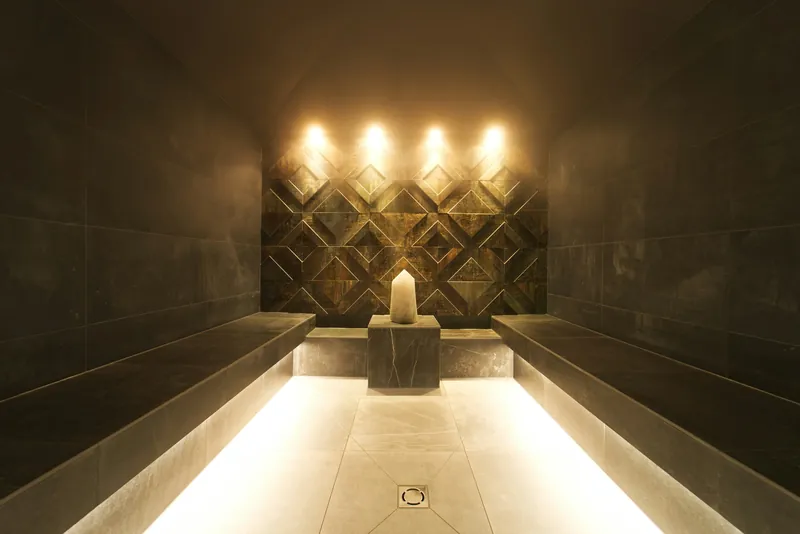
.Best for Spas
A calm, simple address for treatments, gift cards and bookings.
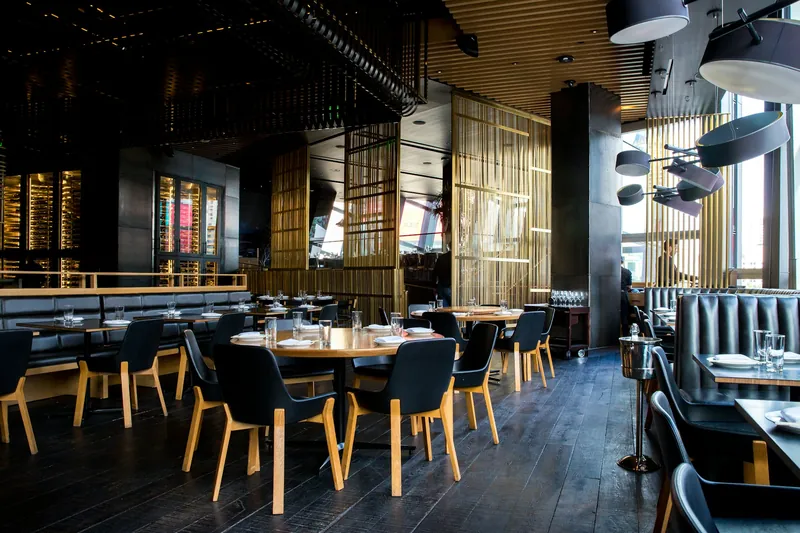
.Best for Restaurants
A name diners can read off a menu and find again tonight.

.Best for Airlines
Short names for routes, loyalty offers and destination guides.
The evidence on clicks, rankings, ad auctions and AI citations, with a playbook.
How ChatGPT turns a buyer's question into a short list, and why it searches for “best”.
Reciprocal Rank Fusion: why ranking across many searches beats one first place.