Easy to pass on after an appointment
A client who loves a new haircut tells friends the salon's name. A short .best address on the appointment card turns that recommendation into a booking.
Industry Solutions · Beauty
Beauty runs on word of mouth and before-and-after results. Clients recommend a salon, a facialist or a serum to friends, who then search for it, and more and more often ask an AI assistant for the best treatment for their skin type. A .Best domain gives salons, studios and beauty brands a short, positive address that clients can pass on easily and find again when it is time to rebook.
Updated
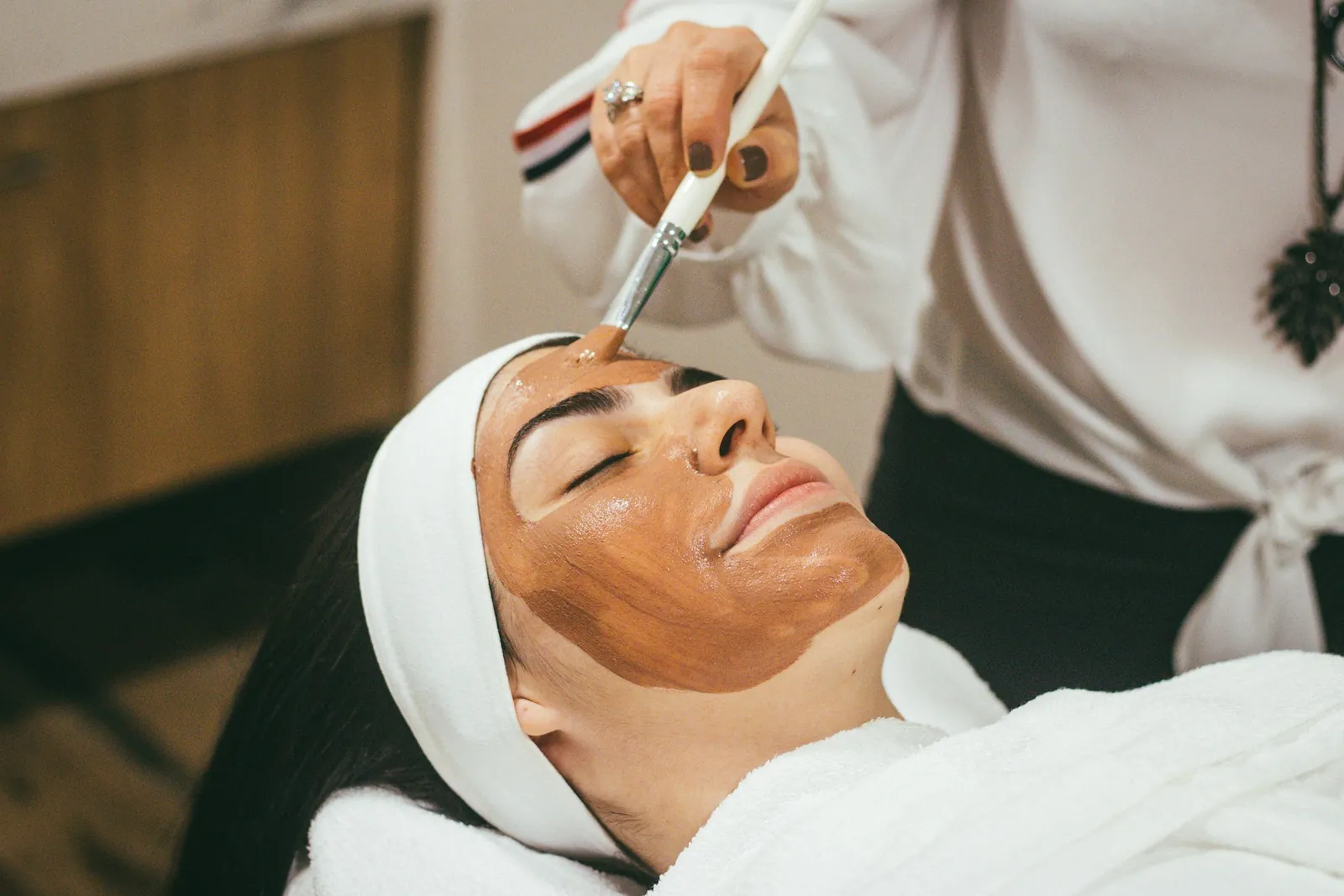
A client who loves a new haircut tells friends the salon's name. A short .best address on the appointment card turns that recommendation into a booking.
People search for the best facial for sensitive skin or the best brow lamination nearby. A treatment or a concern plus .best puts that expertise in the name.
Salons that launch their own skincare or haircare can give the range its own .best name, keeping product sales separate from treatment bookings.
Beauty clients choose carefully because results show. The word best tells them, before they click, that the business takes quality seriously.
Beauty clients now research in layers. They see a look on social media, read reviews and study photos, then ask a search engine or an AI assistant which treatment, product or salon suits their skin, hair or occasion. AI answers in beauty tend to start from the concern or the ingredient rather than the brand, and they name a few options instead of offering a page of links. For salons, clinics and independent brands, that rewards being described clearly by treatment, concern and area, in the same words everywhere an assistant might look.
Tinuiti ·
In a survey of 1,050 US beauty shoppers in March 2026, 38% said they had used AI for beauty research or purchases.
AI is now one of the places beauty shoppers do their homework, next to stores and social feeds. A salon or brand should make sure the treatment and product facts an assistant repeats are written plainly on its own site.
Tinuiti ·
In a January 2025 survey of 1,003 beauty shoppers, AI chatbots were selected by 2% as the place they start a beauty product search online, and had helped 4% find new products they later bought.
Read beside Tinuiti's newer survey, AI moved from the margins of beauty discovery within a year. Search, marketplaces and social still carry most of it, so a beauty site has to work for a classic search result and for an AI answer at the same time.
5W ·
Across 80+ buyer-intent prompts run through AI assistants in Q1 2026, beauty answers routed through explicit ingredients and skin concerns first and brand names second, and legacy prestige brands sat materially below where their commercial scale would predict.
Size counts for less than clarity about concerns and ingredients. A small clinic or indie brand that names the concern it treats, on its pages and, where it fits, in its address, gives an assistant the words it is matching.
Haut.AI ·
Nearly one in three of the 1,238 US women surveyed had already used AI for skincare or body care advice, and another third were interested in trying it; product recommendations were the most chosen use, at 50%.
Clients are asking AI to suggest products and build routines, which is the advice a facialist or skincare brand already gives in the treatment room. Publishing that advice openly, by skin type and concern, turns it into material an assistant can draw on.
Figures are the publishers' own, for the scope each study states. No study shows that a domain extension changes rankings: see Best for SEO and Best for GEO.
Questions typed into ChatGPT, Perplexity, Gemini or Google's AI Mode, and how a .Best name and the site behind it can help the answer include you.
“What's the best facial for sensitive, redness-prone skin in [city]?”
LocalAn assistant answering this looks for a clinic that names sensitivity and redness in plain words, with its area. A .best name built around the concern, plus a treatment page explaining who the facial suits, what happens and the aftercare, gives the answer specific wording to repeat. Keep the clinic name and address identical on the site, booking app and map listing.
“Which works better for thinning hair: a scalp treatment course or supplements?”
CompareComparison answers borrow structure from pages that already compare. A trichology or hair clinic site on a .best name can publish an even-handed guide setting out what each option involves, how long results take to judge and when to see a doctor. Fair criteria, a named author and a review date make that page safer to cite.
“Best bridal makeup artist near [area] who offers a trial”
LocalThe prompt carries two filters, the occasion and the trial. A name like bridal-makeup.best states the first, and a bridal page that spells out the trial, travel area, team size and booking window answers the second. Listing the same service areas on the site and every directory profile keeps the artist recognisable as one entity.
“Build me a simple skincare routine for oily, acne-prone skin on a small budget”
PlanRoutine prompts pull from step-by-step guides. A skincare brand can publish routines by skin type on its .best site, each step explaining the ingredient and why it is there, with affordable alternatives from any brand where honest. Clear headings for morning and evening steps match the shape the assistant uses to lay out its answer.
“Is brow lamination safe if my brows are very fine and sparse?”
DecideSafety questions are answered from cautious, specific sources. A brow studio that publishes who lamination suits, who should avoid it, the patch test it requires and the aftercare, signed by a named practitioner, offers the balance an assistant needs. The studio name repeated on a .best address helps the client find the same page again after the answer.
“Best hair salon in [city] for curly and coily hair”
LocalSpecialist salons are easier to recommend when the specialism is unmissable. A curl-focused name on .best, a page describing the cutting method, consultation and products used, and stylists listed with their curl training give the assistant reasons to pick this salon. Reviews that mention curl cuts by name reinforce the same description.
“My gel nails keep lifting after a few days, what am I doing wrong?”
Fix a problemTroubleshooting prompts reward practical answers. A nail studio's .best site can host a short guide on the usual causes of lifting, what a technician checks and how home care affects wear. Answering the problem first, then explaining when a professional fix makes sense, keeps the page useful enough to be cited and leads naturally to a booking.
“Recommend a fragrance-free moisturiser for eczema-prone skin that is also vegan”
DiscoverAssistants filter product suggestions by stated attributes. A brand that lists its ingredients in full, states fragrance-free and vegan status on each product page and uses Product markup with those properties is easier to match. A calm, concern-led .best product site keeps those claims in one place and consistent with retailer listings.
“Lash lift or lash extensions for someone who wears glasses every day?”
CompareNiche comparisons are often answered from niche pages. A lash studio can write a short guide comparing the two treatments for glasses wearers: length, curl, upkeep and comfort under lenses. Publishing it on the studio's .best site under a clear title gives the answer a source that addresses exactly the situation in the question.
“What should I check before booking microneedling at a clinic?”
DecideThis is a trust question, so assistants look for criteria. A clinic page that sets out practitioner qualifications, consultation steps, contraindications, hygiene standards and aftercare answers it directly. Hosting that checklist on a .best address that also names the treatment lets the clinic be both the source of the criteria and a business that visibly meets them.
Representative examples written for this page, not measured search data: real wording varies by person, place and assistant.
Queries typed into Google or Bing, and what a .Best name can do for the result: the words it repeats, the click it earns and the page it calls for.
best facial [city]
LocalSearchers comparing facials scan the result titles for a treatment they recognise and an area they can reach. A title such as Facials in [area] for sensitive and ageing skin, on a .best address that repeats the word in their query, helps the result look like the answer. Back it with an up-to-date Google Business Profile.
brow lamination near me
LocalNear-me searches are settled largely in the map pack and in reviews. Keep the studio's map listing complete, with the treatment added as a service, and send the website link to a dedicated brow lamination page rather than the home page. A clear .best address on that link reassures the searcher before they tap through.
best vitamin c serum for sensitive skin
DiscoverThis is a buying query with a condition attached. A brand can answer it with a guide explaining which forms of the ingredient tend to be gentler and how to introduce them, then show its own product honestly among the choices. A snippet that states the advice in one line earns the click better than a sales pitch.
balayage vs highlights
CompareThe searcher wants a quick visual difference and a sense of upkeep. A salon page with side-by-side photos, a short table covering technique, regrowth and appointment length, and a closing note on who each suits matches the query. The page title should repeat both terms exactly, so the result reads as a direct comparison.
how to fix brassy blonde hair
Fix a problemFix queries favour pages that solve the problem at home first. A colour salon can publish a clear guide on toning products, washing habits and water, then explain when a salon gloss is the better route. Using HowTo-style steps and a plain headline gives the result a strong chance of a useful snippet and a later booking.
bridal hair and makeup trial what to expect
PlanBrides searching this are planning months ahead and want reassurance. A bridal page that walks through the trial step by step, what to bring, how long it takes and how changes are handled answers the query fully. A memorable .best address on the page and the confirmation email makes it easy to share with the wedding party.
best salon for curly hair [city]
LocalThe word best in the query is matched by best in the address, while the content has to prove the claim. A curl salon should title its page around curly hair in the named city, show recent work, describe the method and keep reviews flowing. The address then confirms what the title and snippet promise.
lash lift aftercare
Fix a problemAftercare searches often come from existing clients, which makes the page a retention tool. Publish a short, scannable aftercare page on the studio site, link it from booking confirmations and print the .best address on aftercare cards. Clients who return to a page they trust are more likely to rebook there.
microneedling before and after acne scars
DecideSearchers want to see realistic results before committing. A results page with consented photos, the number of sessions described in words, the time between images and honest notes on variation answers the query. Descriptive captions and alt text help search engines understand each image, and a plain .best address keeps the gallery easy to revisit.
niacinamide vs retinol
CompareIngredient comparisons are core skincare research. A brand or clinic can publish a clear explainer covering what each does, how they can be combined and who should be careful, with a named reviewer. A precise title repeating both ingredients and a short definition at the top suits both featured snippets and AI summaries.
Representative examples written for this page, not measured search data: real wording varies by person, place and assistant.
AI answers and search results lean on ranked lists. These templates give a list clear criteria, a method and a date, which is what makes it worth citing.
Serves clients with reactive skin who need to know which facials are gentle enough before they book.
AI answers to sensitive-skin questions often assemble a short list of options with reasons. A list built on stated criteria, with a visible update date, gives the assistant structure to reuse and a source to cite. On a .best site the title, address and content all say the same thing, which helps the page be understood at a glance.
Helps people with curls, coils and waves find stylists trained for their hair type rather than guessing.
Curl-specific searches and prompts are precise, and generic salon lists rarely answer them. A guide with clear criteria fills that gap and matches how an assistant breaks down the question. Hosting it on a curl-focused .best site keeps the topic consistent, and refreshing it each year keeps it current enough to quote.
Gives people with a specific concern a routine they can follow, with ingredients explained rather than products pushed.
Routine questions are among the most common reasons people ask AI about skincare, and answers are laid out step by step. A routine list that explains each step, credits a qualified reviewer and is updated when advice changes is easy to cite. A brand's .best site can host these edits beside its products without hiding its own interest.
Templates only: rank what you have actually tested or compared, say how, and keep the list up to date.
Use the schema.org type that fits the business, such as BeautySalon, HairSalon, NailSalon or DaySpa, with address, opening hours and areaServed. Then describe each treatment as a Service, with its duration and who it suits, on its own page. Assistants and search engines match prompts to specific treatments, so a single services list hides most of what you do. Link each treatment page from the booking button.
Beauty businesses often appear on a booking marketplace, a map listing, Instagram and their own site, each with a slightly different name. Pick one form of the business name, one address format and one phone number, and use them everywhere. Point every profile to the same .best address. Consistency helps assistants recognise that the reviews and listings all describe the same salon.
Clients ask about acne scarring, pigmentation, rosacea, frizz or thinning hair before they name a treatment. Build a page for each concern you treat: what causes it, which treatments help, which do not, and when to see a doctor. Link to the relevant treatments. These pages follow the concern-first way people phrase questions and give assistants context they can quote.
Before-and-after photos persuade people, but machines read text. Caption each image with the treatment, the number of sessions in words, the time between photos and the skin or hair type. Add descriptive alt text and get written consent for every image. Ask clients to name the treatment when they leave a review, so the review text and the gallery describe the same results.
Keep a short list of prompts clients might use, such as the best facial or brow studio in your area, and run them in the main AI assistants monthly. Note whether you are mentioned, what is said and which sources are cited. Add an AI assistant option to the how-did-you-hear question in booking, and watch referral visits from AI services in your analytics.
glowfacials.best
a signature treatment
browstudio-west.best
a specialist studio and its area
calm-skin.best
a skincare range for sensitive skin
bridal-makeup.best
an occasion service
curlcare-salon.best
a hair specialism
Ideas only, to show the patterns: these examples are fictional and may or may not be available. Check any name at a registrar, and see how to choose a .Best name.
Show treatments, team members, results galleries and online booking on the .best name, so new clients can choose with confidence.
Launch a new treatment, a bridal season offer or a skincare product on its own .best name, shared in posts and on in-salon cards.
Redirect the .best name to your page on a booking platform, so the address on your cards stays the same if you change software.
Send appointment reminders and aftercare advice from the .best name, which clients recognise and trust.
A .Best name works with any hosting provider or website builder, and you register it through a registrar: see how to register.
A fictional brow studio grew mainly through referrals, but new clients struggled to find it because its booking link was a long address on a scheduling platform. The owner registered a .best name built from the studio's speciality and its neighbourhood, printed it on aftercare cards and the mirror sticker, and redirected it to the booking page. Clients now photograph the mirror before leaving, share the name with friends, and the studio can move to new booking software later without changing the cards.
An illustrative scenario: the business described is fictional.
The evidence on clicks, rankings, ad auctions and AI citations, with a playbook.
How ChatGPT turns a buyer's question into a short list, and why it searches for “best”.
Reciprocal Rank Fusion: why ranking across many searches beats one first place.