One official address
Copies and fan accounts multiply around popular virtual personas. A .best name owned by the creator is the place that confirms which profiles are official.
Industry Solutions · AI Models
AI-generated models, avatars and virtual influencers appear in campaigns, feeds and catalogues, often on several platforms at once. Audiences and brands need to know which account is official and who is behind it. A .Best domain gives creators and studios of AI models a short, recognisable home where each model has a profile, a portfolio and a clear statement that it is AI-generated.
Updated
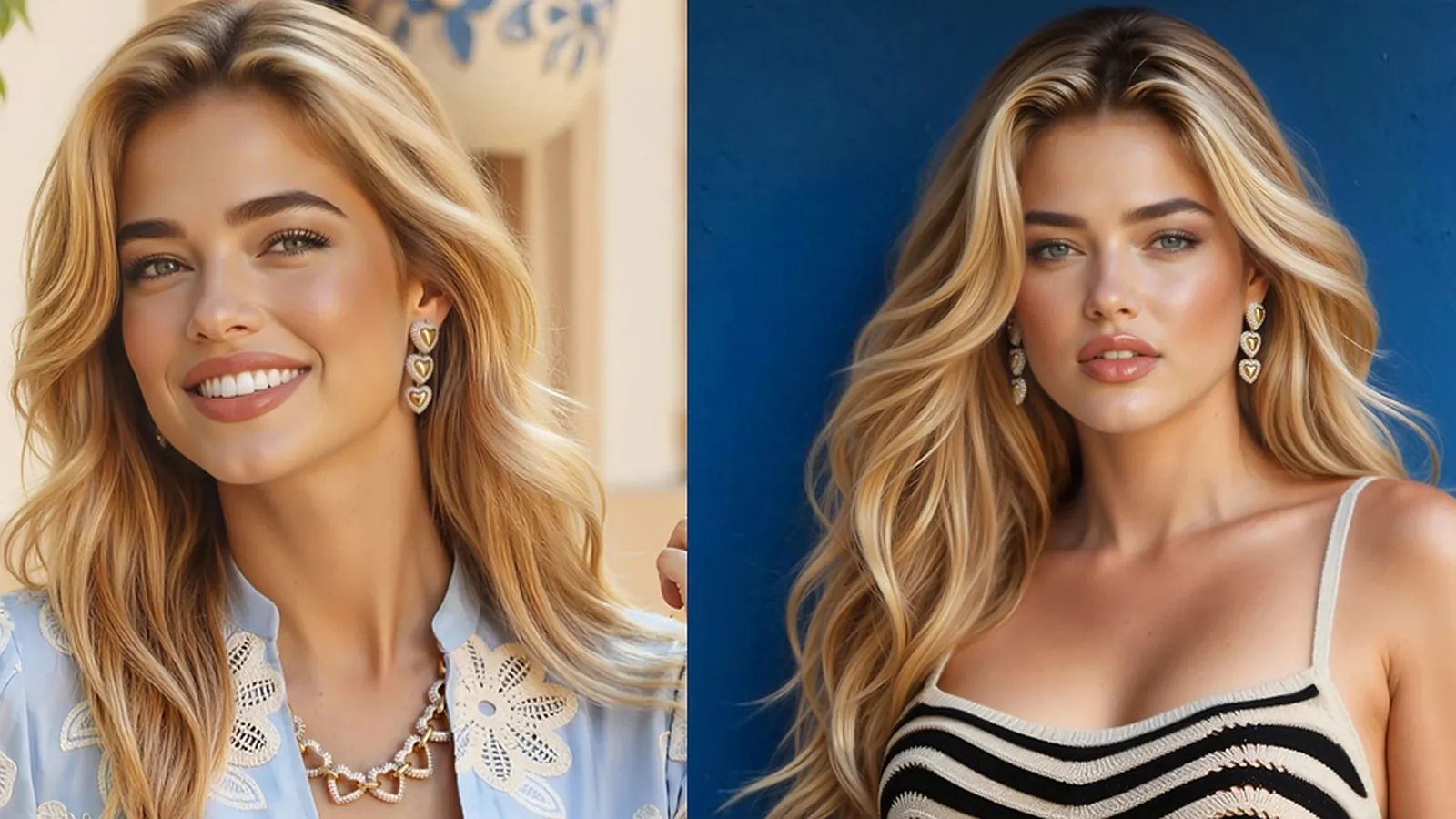
Copies and fan accounts multiply around popular virtual personas. A .best name owned by the creator is the place that confirms which profiles are official.
Brands booking an AI model for a campaign want to see past work, usage terms and contact details. A .best site gathers them in one page.
A dedicated site is the right place to state that a model is AI-generated, how it is made and who manages it, which builds trust with audiences and partners.
Studios with several virtual models can use one .best name for the agency and give each model a page or its own name.
Brands looking for a virtual model or AI-generated ambassador search for studios, portfolios and booking contacts, and increasingly ask assistants who creates such work. Audiences ask a different question: is this account real, and who is behind it? AI answers draw on whatever pages they find, including reposts and unofficial fan accounts. A single official site that names the studio, lists the genuine accounts, labels the work as AI-generated and keeps that information current gives both brands and assistants a source they can trust.
Clutch (press release via Business Wire) ·
Clutch reported that 53% of consumers are less likely to purchase from brands using AI in social content.
Many people are wary of AI content they did not expect, which makes openness part of a virtual model's brand. An official page that states plainly that the model is AI-generated, and who runs it, gives brands and followers a source they can check.
Clutch (press release via Business Wire) ·
Clutch reported that 57% of consumers can't spot AI photos.
If many viewers cannot tell an AI image from a photograph, the label has to come from the creator. A site that lists every genuine account and labels the work helps followers, brands and AI answers tell the real model from copies.
No 2025–2026 study was found on how brands or audiences search for AI-generated models and virtual influencers, or on how AI assistants answer those questions. The two releases cited concern consumer reactions to AI-generated images and social content in general; only their headline findings could be verified.
Figures are the publishers' own, for the scope each study states. No study shows that a domain extension changes rankings: see Best for SEO and Best for GEO.
Questions typed into ChatGPT, Perplexity, Gemini or Google's AI Mode, and how a .Best name and the site behind it can help the answer include you.
“Which studios create virtual fashion models for brand campaigns?”
DiscoverAssistants answer this from studio sites, trade coverage and portfolios. A studio site such as pixelmuse-studio.best that describes its services in plain words, shows dated commissioned work and names the sectors it serves gives the answer specific facts instead of a vague mention.
“How do I book a virtual influencer for a skincare launch?”
PlanThe prompt asks for a process. A booking page that explains the brief, usage rights, approval rounds and timelines, with a form and a named contact, lets an assistant describe the steps and point to the official route rather than to a reposting account.
“Is this Instagram account really the official one for [model name]?”
Fix a problemVerification questions need one source that lists every official account. A model's site, for example lunavirtual.best, with links to each genuine profile and a note that others are not affiliated, gives an assistant a clear answer and gives followers a page they can check themselves.
“Which AI model studios produce product photos for online catalogues?”
DiscoverCatalogue work has practical criteria: consistent poses, garment accuracy, sizes shown and turnaround. A studio page devoted to catalogue production that states those points and shows before-and-after examples matches the prompt more closely than a general portfolio.
“Virtual influencer or human creator for a trainer launch: which works better?”
CompareA studio can publish a balanced page on when a virtual model suits a campaign and when a human creator is the better choice, covering control, disclosure and audience reaction. Fair reasoning makes the page usable in a comparison answer, with the studio's name attached.
“What should a contract with an AI model studio include?”
DecideContract questions are answered from practical guides. A studio's page listing the points it covers, usage rights, exclusivity, approvals, labelling and takedown, gives an assistant a structured source, while a disclaimer to seek legal advice keeps the guidance honest.
“Are there avatar studios in [city] that make brand ambassadors?”
LocalIf the studio works with local clients, a page naming the city and the services, plus a business profile with the same name and address, lets location-based answers include it. The .best address on both keeps the studio's identity consistent across sources.
“Does an AI-generated model have to be labelled in adverts?”
DecideThe answer depends on the market and the platform. A studio page that explains its own labelling practice and links to the official rules in each market it works in gives assistants a sourced, careful reference, rather than a claim they would have to qualify.
“How can I find out who owns a virtual influencer?”
Fix a problemAn official site with an about page naming the studio, its company details and a contact address answers this in one place. Linking that page from every genuine profile bio means the assistant and the curious follower reach the same, verifiable information.
“Plan the launch of a new virtual model across three social platforms”
PlanA studio can publish a launch checklist covering handle reservations, profile wording, disclosure labels, first posts and a hub page. Hosting each model's hub on a .best name from day one gives every platform the same link and prevents copycat accounts from defining the model first.
Representative examples written for this page, not measured search data: real wording varies by person, place and assistant.
Queries typed into Google or Bing, and what a .Best name can do for the result: the words it repeats, the click it earns and the page it calls for.
[model name] official
Fix a problemPeople add official when they suspect copies. A homepage titled with the model's name and the word official, listing every genuine account and the studio behind it, answers that intent immediately, and Organization markup with sameAs links reinforces which profiles belong together.
virtual influencer agency
DiscoverA studio or agency page titled with this phrase, explaining what it creates, for which sectors and how campaigns run, fits the query. Case studies with dates and named deliverables, published with each brand's permission, make the snippet concrete.
ai model studio for fashion brands
DiscoverA service page addressed to fashion brands, covering garment accuracy, styling and usage rights, matches this query better than a general homepage. Including a short portfolio with alt text describing each image lets search engines understand the work.
ai fashion model vs real model
CompareAn explainer that sets out time, control, rights and audience perception for each option suits this research query. Written fairly, with the studio's position stated, it attracts brand managers early in their thinking and introduces the studio's name.
hire virtual influencer for brand campaign
DecideThis searcher is ready to brief. A page titled with the query, setting out the process, typical timelines and what the brand receives, with a direct enquiry form, converts that intent. A short .best address for bookings makes the contact route easy to remember.
ai avatar studio [city]
LocalA location page for each city where the studio has clients or staff, plus a business profile with a consistent name, helps local results connect the studio to the area. Mention local projects only where clients have agreed.
[model name] fake account
Fix a problemA clear statement page, titled with the model's name and fake accounts, listing the official handles and how to report impostors, gives followers the answer. Updating it whenever new impersonations appear keeps the page useful and current.
virtual model portfolio
DecideA portfolio page organised by sector and type of work, each item dated and captioned in text, matches this query. Image file names and alt text that describe the work help search engines read the portfolio, and the model's .best name keeps it distinct from reposts.
ai generated model disclosure rules
DecideAn explainer that links to official guidance in each market and on each platform, and dates every update, can serve brands researching this. It also shows the studio takes labelling seriously, which matters to buyers comparing studios.
how to launch a virtual influencer
PlanA step-by-step guide with a title that repeats the query fits this planning search. Covering concept, look development, disclosure, account set-up and the official hub page gives the studio a useful entry point for future clients.
Representative examples written for this page, not measured search data: real wording varies by person, place and assistant.
AI answers and search results lean on ranked lists. These templates give a list clear criteria, a method and a date, which is what makes it worth citing.
For brand managers choosing a virtual model that suits their sector and audience.
When assistants answer a request for a virtual model, they need concise descriptions with a reason each model fits. A roster list with clear categories, dated examples and visible AI labels provides that. Hosted on the studio's .best name, it also states the studio's ambition in the address.
For brands evaluating studios without knowing what separates good work from weak work.
AI answers often turn a request for the best provider into a set of criteria. A list that explains those criteria, with examples of good practice and a dated review, is the kind of page an assistant can cite. A studio publishing it on a .best name should state openly that it is one of the options.
For studios and brands who want disclosure that is clear without spoiling the creative.
Practical how-to lists are often assembled into AI answers when people ask what to do. Linking each item to the platform's official guidance and noting the date it was checked makes the list reliable. On a studio's .best site it doubles as proof of the studio's own practice.
Templates only: rank what you have actually tested or compared, say how, and keep the list up to date.
Use schema.org Organization for the studio, with sameAs links to every official profile, and a profile page per model that names the studio as creator. Use the same model name, spelling and image on each platform. When an account is retired, remove it from sameAs and say so on the site, so assistants stop linking to it.
State that the model is AI-generated on the model's profile page, in every social bio and in captions for sponsored work. Turn on platforms' own AI-content labels where they are offered. Keep a public page describing the studio's labelling policy, and check the rules in each market where campaigns run before publishing.
For each commissioned project, publish a short case page with the date, sector, deliverables and a caption describing the images, with the client's permission. Use descriptive file names and alt text. A dated, captioned portfolio lets search engines and assistants describe the studio's work accurately rather than relying on reposts.
Search the model's name on the main platforms and in assistants each month. Report impostor accounts through each platform's process, and list known fakes on an official statement page. Register obvious name variants as domains and redirect them to the official site, so typed and spoken versions of the name lead to the right place.
Give brands one booking page with a form, response time and the information the studio needs in a brief. Use a dedicated email address on the .best name for bookings, and publish it on every official profile. Track enquiries by source to see whether they come from search, social profiles or assistant answers.
lunavirtual.best
a single virtual model
pixelmuse-studio.best
an AI model studio
avatar-roster.best
an agency of virtual talent
virtualstylist.best
an AI persona with a niche
synthetic-faces.best
a catalogue of generated models
Ideas only, to show the patterns: these examples are fictional and may or may not be available. Check any name at a registrar, and see how to choose a .Best name.
Publish each model's profile, portfolio, official accounts, usage terms and booking contact on the .best name.
Launch a new virtual model or a brand collaboration on its own .best name, linked from every official account.
Redirect the .best name to the model's main social profile, while keeping an address you control for the future.
Use bookings@ on the .best name for brand enquiries, so partners know they are dealing with the official team.
A .Best name works with any hosting provider or website builder, and you register it through a registrar: see how to register.
A fictional studio created a virtual fashion model whose images were reposted by many unofficial accounts, and brands were unsure whom to contact. The studio registered a .best name built from the model's name, published a profile with the official accounts, a portfolio of commissioned work, a clear note that the model is AI-generated and a booking form. It linked the site from every official account. Brands now start their enquiries from the official page, and followers can check which accounts are real.
An illustrative scenario: the business described is fictional.
The evidence on clicks, rankings, ad auctions and AI citations, with a playbook.
How ChatGPT turns a buyer's question into a short list, and why it searches for “best”.
Reciprocal Rank Fusion: why ranking across many searches beats one first place.