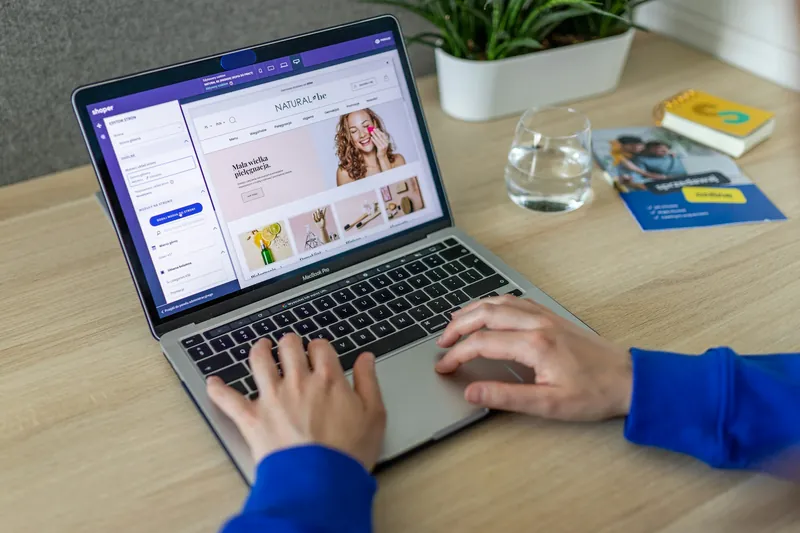
Matches the comparison mindset
Shoppers search for the best stroller, the best gift for a cyclist or the best deal on a laptop. A category or occasion plus .best mirrors that search.
Industry Solutions · Shopping
Shoppers compare before they buy. They read buying guides, check deals and ask AI assistants for the best option in a category before choosing a store. Retailers and comparison sites compete for that moment. A .Best domain gives stores, shopping guides and sales events a short address that matches the way people shop, by looking for the best, and that is easy to remember when they come back to buy.
Updated
Shoppers search for the best stroller, the best gift for a cyclist or the best deal on a laptop. A category or occasion plus .best mirrors that search.
Seasonal sales, store openings and holiday gift guides can each have a .best name for flyers, ads and newsletters, pointing to one page.
A short .best name printed on bags and receipts brings in-store customers back to the online shop, with the same name in both places.
Retailers who publish honest buying guides on a category name give shoppers a reason to return before every purchase in that category.
Shopping now starts with a question as often as with a search box. People ask an assistant which stroller folds smallest, which gift suits a keen cyclist or whether a deal is worth waiting for, then click through to check. Google's AI summaries lean on reviews, videos and forums, while chat assistants more often send people straight to a store. Stores and buying guides that explain their picks, keep them current and use one consistent name give both kinds of answer something solid to quote.
Adobe (Adobe Digital Insights) ·
Between 1 November and 31 December 2025, traffic to US retail sites from generative AI tools (shoppers clicking a link to a retail site) rose 693.4% compared with the year before, according to Adobe Analytics.
More shoppers reach a store after an assistant has already narrowed the choice. A store or guide name that is easy to recognise in that answer, and a page that confirms what the assistant said, helps the visit turn into an order.
Adobe (Adobe Digital Insights) ·
Adobe expects AI traffic to US retail sites to rise 130% year over year in the 2026 holiday season. In its survey of 5,000 consumers, 77% of respondents who have used AI for online shopping said they felt more confident in their purchase, and 69% said they were less likely to return an item they bought.
Shoppers who use assistants report buying with more certainty, so the source an assistant points to carries real weight. Clear criteria, honest trade-offs and a memorable address help a shopper come back to that source for the next purchase.
BrightEdge ·
Across tens of thousands of ecommerce prompts in the 2025 holiday shopping season, Google AI Overviews cited retailers about 4% of the time and ChatGPT about 36%, a ninefold difference.
The two kinds of answer reward different pages: Google's summaries draw on reviews, video and forums, while chat answers point to stores more directly. A shopping business is best served by a well-structured store and by buying guides that review products openly.
Figures are the publishers' own, for the scope each study states. No study shows that a domain extension changes rankings: see Best for SEO and Best for GEO.
Questions typed into ChatGPT, Perplexity, Gemini or Google's AI Mode, and how a .Best name and the site behind it can help the answer include you.
“What is the best stroller for a small city flat with stairs?”
CompareA buying guide on a name such as stroller-guide.best repeats the words of the question. Setting out folded size, weight and kerb handling as named criteria, with a one-line verdict per model, gives an assistant a compact comparison it can quote and a clearly named source to link for the full reasoning.
“What gift should I buy a cyclist who already has everything?”
DiscoverA niche gift guide such as giftsforcyclists.best states the occasion and the audience in its address. Grouping ideas by riding style, explaining why each suits a seasoned rider and dating the page each season gives an assistant fresh, specific suggestions instead of generic lists of accessories.
“Is this weekend's TV deal actually good or should I wait for the next sale?”
DecideA deals page that records when a model was last discounted, what changed since and when stores usually run their next event answers the real worry behind this prompt. A short .best name for the retailer's deals hub makes the source easy to recognise when an assistant mentions it.
“Where can I find vintage furniture shops near [city]?”
LocalAssistants answer local shopping questions from maps listings, reviews and store websites. A market or concept store that uses the same name, address and opening hours on its .best site and its listings, and describes its stock in plain words, gives the answer consistent facts to repeat.
“Help me plan holiday gifts for a family of six on a budget”
PlanA seasonal gift planner on a name like holidaygifts.best can break ideas down by age, interest and spend band without quoting figures that soon go stale. Checklists and printable lists suit the planning intent, and an assistant can point to the page as a place to finish the plan.
“Travel system or separate pushchair and car seat: which is better for new parents?”
CompareThis is a trade-off question, so the page that helps most sets both options side by side: weight, years of use, car fit and what happens when a second child arrives. A guide that states its testing method and updates when models change gives assistants a reasoned source.
“What is the best concept store in [city] for design gifts?”
LocalThe store's own site should say plainly what it stocks, who designs it and where it sits, in words a visitor would use. A .best name printed on bags and receipts, matching the shop sign and listings, keeps the entity consistent wherever an assistant gathers facts about it.
“My online order arrived damaged; which stores make returns easiest?”
Fix a problemA retailer that publishes its returns steps in plain text, with time limits and a contact route, gives an assistant something exact to cite. Linking that page from the footer of the .best site, and keeping it identical to what receipts say, avoids answers built on outdated policies.
“What should I look for when buying a winter coat for a child?”
DiscoverBuying-advice pages that answer the first question before naming products, such as warmth, room to grow, washability and visibility in the dark, match how assistants structure an answer. A children's clothing store can host this guide on its .best site and link each point to suitable items.
“Which back-to-school deals are worth buying early this year?”
PlanA dated back-to-school page that separates genuine early savings from items better bought later fits the timing in this prompt. Renewing the same address each summer, rather than starting a new page, lets the guide build a history that assistants and returning shoppers can recognise.
Representative examples written for this page, not measured search data: real wording varies by person, place and assistant.
Queries typed into Google or Bing, and what a .Best name can do for the result: the words it repeats, the click it earns and the page it calls for.
best stroller for small apartment
CompareA title such as Best strollers for small flats, with the year and the number of models tested, matches the query. A comparison table near the top and short verdicts per model give the snippet a clear promise, and a guide name in .best repeats the word best people typed.
gifts for cyclists who have everything
DiscoverA gift guide page whose title repeats the phrase, followed by a short reason under each idea, fits this query. A meta description that mentions unusual ideas and how they were chosen gives the result a reason to be clicked over a generic marketplace category.
black friday tv deals worth it
DecideSearchers here want judgement, not a list of discounts. A page titled with the season and a plain question, answering it in the opening paragraph and then reviewing a handful of models, earns attention in results crowded with retailer banners.
vintage shops [city]
LocalLocal results draw on the business profile, so the store's name, category and hours must match its listing and website. The .best site can host a short page about the neighbourhood and the type of stock, giving the profile a relevant page to link to.
best christmas gifts for teenagers
PlanGift queries peak once a year, so a page kept at one address and refreshed each autumn keeps its links and history. Sections by interest, with honest notes on what teenagers actually use, make the snippet more useful than an unsorted grid of products.
holiday gift guide for her
DiscoverA broad gift query rewards a page that quickly narrows it down: sections by hobby and style, each with a sentence of reasoning. A campaign name such as holidaygifts.best printed in newsletters and ads also gives returning visitors an address to type directly.
concept store [city]
LocalSomeone typing this wants to know what makes the shop worth a visit. A homepage title that states the store's name, its focus and the street, with photographs and opening hours in text, gives the result and the map listing a clear match.
how to return an online order without receipt
Fix a problemA help page titled with the exact problem and a step-by-step answer suits this query. Structured as a short list with a link to the returns form, it can be shown as a direct answer, and the store name in the address reassures that the source is official.
best kids winter coats
CompareA category page or guide that leads with the criteria parents care about, then lists coats by age range, matches this query. Fresh photographs, sizing notes and a dated update line make the result look current at the moment parents start searching.
back to school shopping list
PlanA printable list by school stage, with links to the items in stock, turns an informational query into a shopping visit. Keeping the list on one stable address each year, rather than a new page per season, preserves what earlier visitors and links built up.
Representative examples written for this page, not measured search data: real wording varies by person, place and assistant.
AI answers and search results lean on ranked lists. These templates give a list clear criteria, a method and a date, which is what makes it worth citing.
For people buying for a keen cyclist who already owns the basics.
AI answers to gift questions often assemble short lists with a reason for each item. A list with stated selection criteria, groups by riding style and a dated update gives an assistant ready-made, citable reasoning, and a niche guide on a .best name says what the page is about before anyone opens it.
For parents in flats and busy streets who need a stroller that folds small and handles kerbs.
Comparison prompts are where assistants lean most on structured lists. Measured criteria and a clear verdict per model make the page quotable, while regular retesting keeps it fresh enough to be chosen. A category guide on a .best name matches the wording parents use when they ask for the best option.
For visitors and locals looking for gifts that are not sold in every high street chain.
Local shopping questions are often answered with lists of places. A list that explains its criteria, links to each shop's own details and is checked every season is more useful to an assistant than a bare directory. Published by a local guide on a .best name, it can become a standing reference for the area.
Templates only: rank what you have actually tested or compared, say how, and keep the list up to date.
Use schema.org Product, Review and ItemList on guides, and Article with a visible author and update date. On product pages, keep availability, shipping and returns details in the markup and on the page. Test with Google's Rich Results Test, and check that the guide's verdicts are written in text rather than inside images, so search engines and assistants can read the reasoning that supports each pick.
Shopping questions follow the calendar: gifts in autumn, garden tools in spring, school items in summer. List every guide with its next review date, retest or recheck the picks, then update the date line and changelog on the page. Keep each guide at the same address year after year, so links, bookmarks and the trust it has earned carry over to the next season.
For physical stores, the name, address, hours and category should match on the website, Google Business Profile, Apple Maps, Bing Places and social profiles. Use LocalBusiness markup with the same details. When a store moves or changes hours for the holidays, update every listing on the same day, so maps and AI answers do not repeat outdated facts to shoppers.
Rather than inventing a new web address for each sale, keep one event name, such as a .best name for the store's deals, and update its page for each campaign. Archive past events on dated subpages. Print the name on flyers, receipts and window posters, and use it in emails, so shoppers learn one address and come back to it when the next sale opens.
In your analytics, create a channel for referrals from chatgpt.com, perplexity.ai, gemini.google.com and copilot.microsoft.com, and watch which guides they land on. Each month, ask the main assistants a fixed set of shopping questions for your categories and note whether your store or guide is named. Compare the results after each guide update to see which changes matter.
giftsforcyclists.best
a gift guide for a niche
stroller-guide.best
a buying guide
cornerstore-deals.best
a retailer's deals page
holidaygifts.best
a seasonal campaign
vintage-market.best
a market or concept store
Ideas only, to show the patterns: these examples are fictional and may or may not be available. Check any name at a registrar, and see how to choose a .Best name.
Run your store or a buying guide on the .best name, with categories, comparisons and links to the products you recommend.
Promote a seasonal sale, a store opening or a gift guide on its own .best name, printed on flyers and used in ads and emails.
Redirect the .best name to a category or a sale page of your existing store, and change it for the next event.
Send offers and order updates from the .best name, so customers recognise the store in their inbox.
A .Best name works with any hosting provider or website builder, and you register it through a registrar: see how to register.
A fictional concept store sold design objects in a busy shopping street and had an online shop that few customers knew about. The owners registered a .best name built from the store's name and its street, printed it on bags, receipts and the shop window, and pointed it at the online shop. They also published a gift guide for the holiday season on the same name. Customers who had enjoyed the store but did not buy on the day now had a simple address to return to.
An illustrative scenario: the business described is fictional.
The evidence on clicks, rankings, ad auctions and AI citations, with a playbook.
How ChatGPT turns a buyer's question into a short list, and why it searches for “best”.
Reciprocal Rank Fusion: why ranking across many searches beats one first place.