Short enough for a menu or a receipt
Space on menus, receipts and takeaway bags is tight. A short .best name fits next to the logo and is easy to type after a good meal.
Industry Solutions · Restaurants
Diners choose a restaurant in seconds: from a friend's recommendation, a map pin, a delivery app or an AI assistant asked for the best table nearby. Most then look the place up by name. A .Best domain gives a restaurant a short address diners can read off a menu, a receipt or a window sticker, and type again when they want to book, order or share the place with friends.
Updated
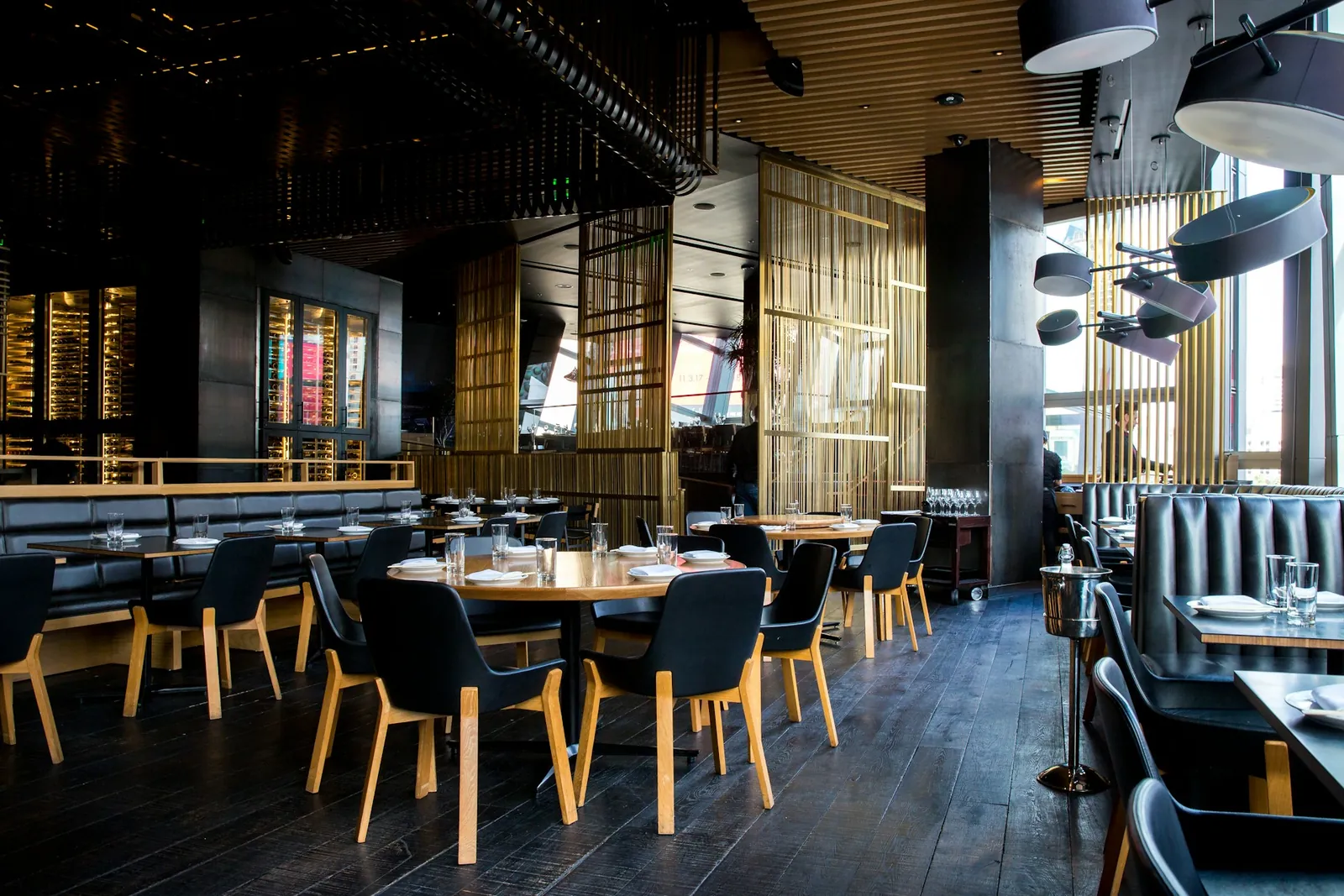
Space on menus, receipts and takeaway bags is tight. A short .best name fits next to the logo and is easy to type after a good meal.
People ask for the best ramen, the best brunch or the best pizza in their area. A dish or cuisine plus .best echoes that request every time the address is shared.
Reservation and delivery platforms are useful, but a direct address lets regulars book or order with you first and keeps your menu and hours in one place you control.
Owners who run a bistro, a bar and a bakery can give each its own .best name, so diners, maps and AI assistants keep them apart.
Choosing where to eat is a quick decision made on a phone: a map search near me, a delivery app, a friend's message, and more and more often a question to an AI assistant about the best brunch or the best curry nearby. Assistants answer from listings, reviews and the restaurant's own pages, so an out-of-date menu or wrong opening hours can cost a table. Accurate facts, recent reviews and a name diners can remember now decide who gets mentioned.
DoorDash, with SevenRooms ·
In a Dynata survey of 3,001 US consumers and 509 US restaurant operators, 22% of consumers said they have used an AI tool such as ChatGPT or Google Gemini to help choose a restaurant to dine in or order delivery from, while only 39% of operators had updated their listings to show up in those results.
Diners are already asking assistants where to eat, and many restaurants have not adjusted. Updating listings and the restaurant's own site now is a practical head start, and a short name on the menu helps diners return without searching.
Yext ·
In an analysis of 6.8 million citations from ChatGPT, Gemini and Perplexity, food service stood out as reputation-driven: reviews and social content made up 13.3% of its citations, the highest of any industry studied, while listings remained the single largest driver at 41.6%.
For restaurants, what assistants repeat comes mostly from listings and what diners say. Managing those sources carefully, and pointing every listing to one official site, gives the answer accurate material to work with.
Figures are the publishers' own, for the scope each study states. No study shows that a domain extension changes rankings: see Best for SEO and Best for GEO.
Questions typed into ChatGPT, Perplexity, Gemini or Google's AI Mode, and how a .Best name and the site behind it can help the answer include you.
“Where can I get the best ramen near [neighbourhood] tonight?”
LocalAssistants need to know the restaurant is open tonight and serves ramen. Keep today's hours, the menu and a booking or walk-in note on the .best site and the map listing. A name built from the dish repeats the diner's own words whenever the answer mentions it.
“Good restaurants in [city] for a birthday dinner for eight people”
PlanGroup dining depends on table sizes, set menus and a private room. A groups page on the .best site that states capacity, deposit rules and how to enquire gives the assistant concrete facts. Diners can then book through events@ on the same name rather than calling during service.
“Which brunch spots in [city] are good with a toddler and a pushchair?”
DiscoverParents ask about high chairs, space for buggies and changing facilities. Mention these plainly on the restaurant's site and listings, ideally on an accessibility and families section. Specific, verifiable details are what let an assistant include a café confidently in a narrow recommendation like this one.
“Compare the best vegan restaurants in [city] for a first date”
CompareA comparison needs clear points: fully vegan or vegan options, atmosphere, noise level, booking. Spell these out on the .best site and keep the dietary labels on the online menu up to date. The assistant can then place the restaurant fairly beside others rather than guessing from old reviews.
“Is [dish] at [restaurant type] in [town] worth the wait?”
DecideQuestions about queues and signature dishes draw heavily on reviews. Reply to reviews that mention waiting times, explain how bookings and walk-ins work on the site, and describe the dish clearly on the menu page. The answer then reflects the restaurant's own explanation alongside diners' opinions.
“Restaurants open late near [station] with gluten-free options”
LocalLate hours and dietary needs are two facts assistants often get wrong. Publish them on the official site, mark them in the map listing and repeat the same hours on delivery apps. When every source agrees, an assistant is more likely to name the kitchen for a hungry traveller arriving late.
“What is a good tasting menu in [city] for a special occasion?”
DiscoverTasting menus are researched carefully. Publish the menu outline, the number of courses in words, drinks pairing and dietary flexibility on a dedicated page of the .best site. A dated page with seasonal changes gives an assistant fresh, citable detail about an experience diners plan ahead for.
“My online order from a local restaurant is missing items, what should I do?”
Fix a problemWhen an order goes wrong, diners look for the restaurant's own contact. A help page on the .best name explaining what to do for direct orders and for app orders, with an email and phone hours, gives the assistant an official answer and keeps the conversation with the restaurant.
“Best Sunday roast in [area] that takes bookings”
DecideThis prompt combines a dish, a day and a booking need. A Sunday page on the restaurant's site naming the roast, serving times and a booking link answers all three. If the .best name carries the dish or the day, the address itself echoes the request when shared.
“Plan a food tour of [neighbourhood] with three stops for dinner”
PlanAssistants building a route need places with clear hours and locations close together. A restaurant that publishes its address, nearest landmarks and a short description of what to order gives the plan a ready-made stop. Mentioning nearby bars or bakeries on the site helps the assistant connect the evening.
Representative examples written for this page, not measured search data: real wording varies by person, place and assistant.
Queries typed into Google or Bing, and what a .Best name can do for the result: the words it repeats, the click it earns and the page it calls for.
[cuisine] restaurant near me
LocalNear-me searches lean on the map listing, so keep the business category, hours and photos current. On the website, use the cuisine and the area in the title and first line. A short .best name in the listing's website field gives searchers a clean address to tap.
best pizza in [neighbourhood]
CompareLists from food writers often lead these results, and many link to restaurant sites. Help writers and diners by publishing a clear menu page with the dough, the oven and the signature pizzas described. A .best address that names the dish makes the result easy to recognise.
[restaurant name] menu
DecideMenu searches are high intent. Publish the menu as HTML, not only as a PDF or image, with dishes, dietary labels and the date updated. A page title of the restaurant name plus menu, on the official .best address, helps diners pick the real menu over copies on aggregator sites.
restaurants with private dining room [city]
PlanBuild a private dining page with capacity, layouts, set menus and an enquiry form. Use the Restaurant schema type for the venue and FAQPage markup for common questions. A snippet that already states how many guests fit answers the planner's first question before the click.
gluten free restaurant [town]
DiscoverDietary searches need confidence. Describe exactly what the kitchen does, such as separate fryers or marked dishes, on a dedicated page. Use the dietary term and the town in the title, and keep the online menu's labels consistent with the page so diners trust what they find.
[restaurant name] opening hours
Fix a problemWrong hours send diners away. Keep openingHoursSpecification in the site's markup, the map listing and delivery apps identical, including holiday closures. A homepage snippet that shows today's hours, under the official .best address, saves a phone call and a wasted trip.
brunch [neighbourhood] booking
LocalMake a brunch page with served hours, the menu and a booking link, titled with the neighbourhood. If brunch is the restaurant's main draw, a campaign .best name for it can sit on window stickers and posts, pointing to the same page so links do not split.
restaurant gift voucher [city]
DecideGift buyers search late and want a quick purchase. A vouchers page with a clear title, delivery options and validity rules answers them. Printing the .best address on the voucher itself helps the recipient find the booking page without searching later.
tasting menu [city] [month]
PlanSeasonal tasting menus attract planned searches. Keep one URL for the tasting menu and update the content each season, with the month or season in the title. A visible updated date in the snippet shows searchers the menu is current.
takeaway [cuisine] [postcode area]
LocalFor takeaway, the restaurant's own ordering page competes with apps. Use the cuisine and area in the title, list delivery zones in words and offer collection. Printing the short .best name on bags and receipts gives repeat customers a direct way back to order.
Representative examples written for this page, not measured search data: real wording varies by person, place and assistant.
AI answers and search results lean on ranked lists. These templates give a list clear criteria, a method and a date, which is what makes it worth citing.
For locals and visitors who want a weekend brunch and need to know about bookings, queues and dietary options.
Brunch questions are a staple of AI assistants, and answers are often set out as short lists with a reason for each pick. A neighbourhood guide with clear criteria, dates and visits gives them a source worth citing. On a .best site the dish and the word best sit in the address, which suits an independent food guide.
For organisers of birthdays and team dinners who need space, set menus and a simple booking process.
Group-dining questions are detailed, so lists that compare restaurants on the same practical points are easy for an assistant to summarise. Stating how each place was checked, and when, adds the sourcing that makes a list credible. A guide like this fits a .best name built from the city and the occasion.
For travellers and shift workers who need a reliable meal after the usual kitchen hours.
Late-night searches are urgent, and hours change often, so freshness matters more than usual. A list that shows when each entry was last checked gives assistants a dependable source. Publishing it on a .best address that names the area makes the guide easy to remember for the next late arrival.
Templates only: rank what you have actually tested or compared, say how, and keep the list up to date.
Mark up the venue with the Restaurant type: name, address, geo, servesCuisine, openingHoursSpecification, acceptsReservations and the .best URL. Link a Menu with MenuSection and MenuItem entries, including suitableForDiet where it applies. Publish the menu as text on the page, not only as a PDF. Structured, readable menus are easier for search engines and assistants to quote accurately.
The Yext data shows listings carry the largest share of food service citations. Use one name, address, phone number, hours and website on the map listing, review sites, reservation platforms and delivery apps. Update holiday hours on all of them on the same day. Point every website field to the same official address, so assistants and diners land in one place.
Reviews describe dishes, service and atmosphere in diners' own words, and assistants read them when describing a restaurant. Reply to recent reviews specifically, correct errors calmly and thank people for mentioning a dish by name. Ask regulars to mention what they ordered. Never offer incentives for reviews, which breaks platform rules.
Collect the questions asked at the door and on the phone: dogs on the terrace, high chairs, step-free access, corkage, gluten-free cooking, card-only payment. Answer each in one plain sentence on an FAQ section of the site, marked up with FAQPage. Diners and assistants then find the same answer the team would give.
Once a month, ask several assistants the questions diners might ask about your area and cuisine, and note whether the restaurant is named and what sources appear. In analytics, track visits from the .best name printed on menus and receipts, and compare direct bookings with platform bookings. Adjust listings and pages where the facts quoted are wrong.
smokehouse-ribs.best
the signature dish
riverside-brunch.best
a place and the meal people search for
handmade-noodles.best
what the kitchen is known for
chefstable-kitchen.best
a dining concept
latenightdumplings.best
a niche diners ask for by name
Ideas only, to show the patterns: these examples are fictional and may or may not be available. Check any name at a registrar, and see how to choose a .Best name.
Publish the menu, opening hours, location and booking link on the .best name, so the place diners type is the place you keep up to date.
Use a .best name for a tasting menu, a pop-up or a holiday set menu, printed on flyers and posts that point to one booking page.
Already on a reservation or ordering platform? Redirect the .best name to your page there, and change the destination later without reprinting anything.
Take group bookings and event enquiries at bookings@ or events@ on the .best name, which looks more trustworthy than a free webmail address.
A .Best name works with any hosting provider or website builder, and you register it through a registrar: see how to register.
A fictional bistro relied on a long address that no one remembered, so regulars booked by phone during service. The owner registered a .best name made from the bistro's signature dish and its street, printed it on the menu, the bill folder and the window, and pointed it at a one-page site with the menu and a booking button. A second .best name carried the winter set menu for the winter season. Calls during service dropped, and when diners described the bistro to friends, the name they repeated was the one on the table.
An illustrative scenario: the business described is fictional.
.Best for Food
Product, recipe and producer names that make mouths water.

.Best for Nightlife
A bar or club name people can remember the morning after.

.Best for Hotels
A booking address guests remember from the lobby to the next trip.

.Best for Events
An event address attendees type straight from the invitation.
The evidence on clicks, rankings, ad auctions and AI citations, with a playbook.
How ChatGPT turns a buyer's question into a short list, and why it searches for “best”.
Reciprocal Rank Fusion: why ranking across many searches beats one first place.