Easy to say from a stage
Artists mention their website between songs. A short .best name is easier to hear over a crowd and remember on the way home than a list of handles.
Industry Solutions · Music
Musicians reach fans across many places at once: streaming profiles, social platforms, ticketing sites and stages. Fans who hear a song at a festival or in a café need one name to find the artist again, and labels need clear addresses for each release and tour. A .Best domain gives artists and labels a short, confident home that collects everything in one place and is easy to say from a stage.
Updated
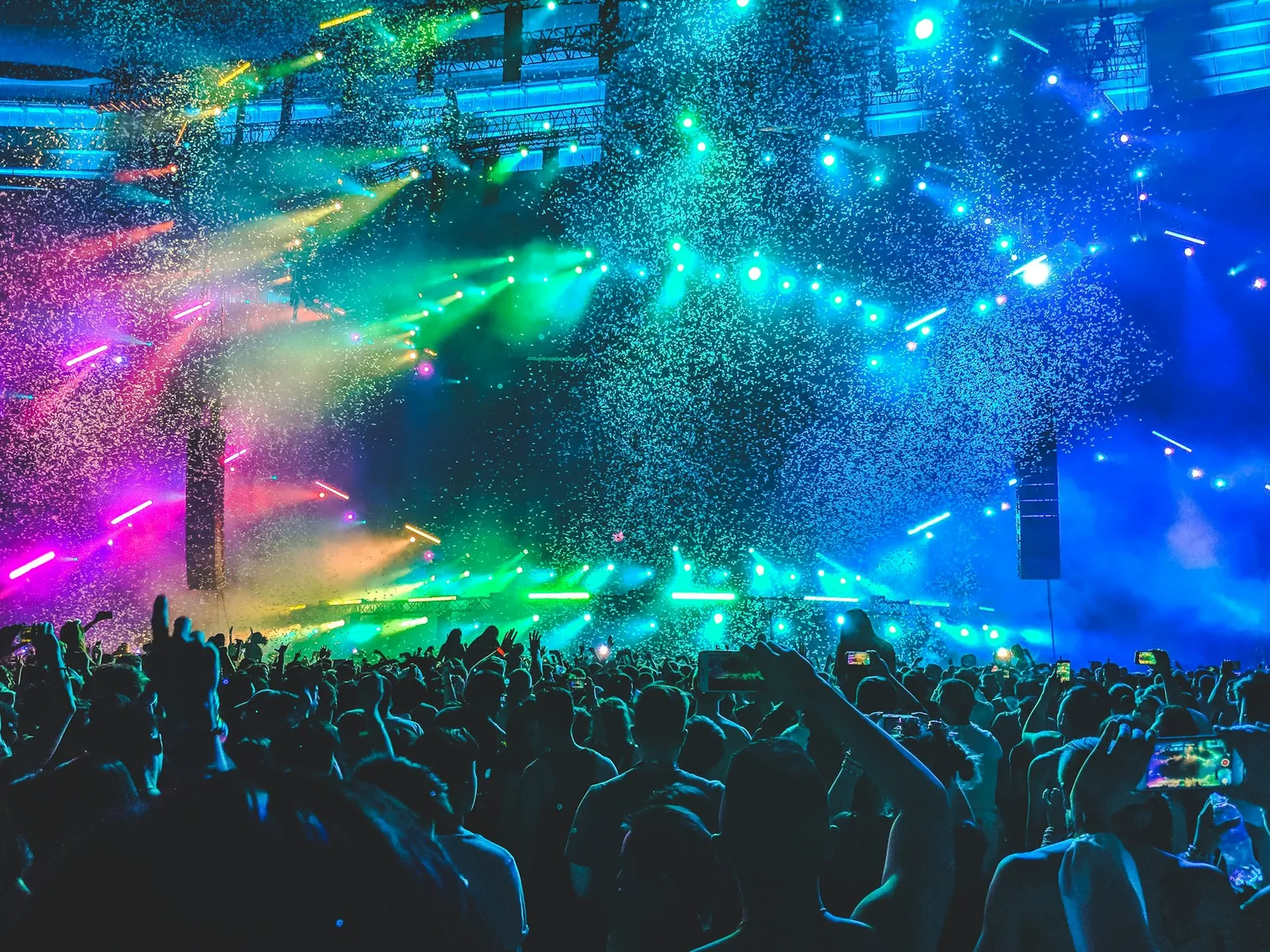
Artists mention their website between songs. A short .best name is easier to hear over a crowd and remember on the way home than a list of handles.
Streaming, video, merchandise and tickets sit on different services. A .best name gives fans one address that links to all of them.
An album, a single or a tour can get its own .best name for posters and pre-save campaigns, then become part of the discography archive.
Listeners ask for the best jazz bars, the best indie labels or the best wedding bands. A genre or service plus .best makes your offer clear.
Listeners find music through playlists, short videos, live shows and friends, then search to learn more: who an artist is, when they tour, where to buy merchandise or a ticket. A growing share of those follow-up questions go to AI assistants, especially among younger fans, and to AI summaries on the results page. Artists and labels whose facts are scattered across platforms risk being described from fan pages or out-of-date articles. One official hub keeps the story, the discography and the tour dates in a single citable place.
Hypebot, reporting Pew Research Center's Teens, Social Media and AI Chatbots 2025 ·
Pew Research Center found that 64% of US teens aged 13 to 17 have used an AI chatbot such as ChatGPT, and about 3 in 10 use one daily; Hypebot argues this may matter more to musicians than social media.
The next generation of fans is already asking chatbots questions, so an artist needs facts an assistant can find and trust. A single official site on a short .best name gives those answers a source that the artist controls.
We found no recent published study that measures how fans use AI assistants or AI search specifically for music, artists or concerts. The study above is a general survey of teenagers' chatbot use, presented by a music trade publication; its figures are not about music behaviour.
Figures are the publishers' own, for the scope each study states. No study shows that a domain extension changes rankings: see Best for SEO and Best for GEO.
Questions typed into ChatGPT, Perplexity, Gemini or Google's AI Mode, and how a .Best name and the site behind it can help the answer include you.
“Recommend some new indie folk artists similar to [artist]”
DiscoverSimilarity prompts draw on genre labels and comparisons that others publish. An artist site that states the genre plainly, quotes reviews that name comparable acts and links to its streaming profiles gives assistants matching evidence. A memorable .best name repeated in interviews and bios helps tie those mentions to one artist.
“Who are the best wedding bands in [region] for a mix of soul and pop?”
LocalFunction bands are chosen on repertoire, area and reviews. Publish the set list, the line-up options, the areas you travel to and dated reviews from couples. A service-led .best name stating the genre and the region repeats the words of the question, and makes the band easy to find after a recommendation.
“When is [artist] touring the UK next and where can I buy tickets safely?”
PlanTour questions need current dates and official ticket links. A tour page on the artist's .best site with each date marked up as a music event, the authorised sellers and on-sale times answers this cleanly. Assistants are less likely to send fans to resale listings when the official source is clear and fresh.
“What is the best jazz bar in [city] for live music on a Tuesday?”
LocalVenue prompts combine genre, place and night. A programme page that lists each night's acts, the start times and whether entry is free answers every part. A short .best name with the genre and the area helps visitors who heard it recommended remember it later.
“Explain the story behind [album] and the best tracks to start with”
DiscoverAssistants like a clear narrative with sources. An album page with the release date, the credits, the artist's own notes on the songs and quotes from published reviews gives that material directly. Hosting it under one discography on the official name keeps every release attributable to the right artist.
“Which independent labels are best for experimental electronic music?”
CompareComparisons between labels rely on rosters, release history and press. A label site that lists every artist, every release with dates and the label's stated focus gives assistants facts to weigh. A genre-led .best name for the label states its niche in the address itself.
“Find a piano teacher in [city] who teaches jazz to adults”
LocalMusic education prompts are specific about style and learner. A teacher's page that names the instruments, the styles, the levels, the lesson formats and the area covered matches each element. A .best name built from the instrument and town is easy to pass on by word of mouth.
“Is [festival] good for first-timers, and which day has the best line-up?”
DecideFestival prompts mix logistics and taste. A festival site with a clear day-by-day line-up, a first-timers guide, accessibility information and travel advice gives an assistant every piece. One permanent .best name for the festival keeps the archive and the current edition under the same address.
“Plan a music weekend in [city]: gigs, record shops and late venues”
PlanItinerary prompts pull from guides that group places by theme. A city music guide on a .best site, with gig listings, shops and opening hours checked and dated, fits this kind of answer. Artists and venues benefit when their own pages give accurate times that such guides can copy.
“My pre-save link for [single] is not working: what should I do?”
Fix a problemFans increasingly ask assistants first. A release page on the artist's .best name with working pre-save, streaming and purchase links, plus a short help note for common problems, gives a correct answer. A stable address also lets the artist replace a broken service link without changing what fans were told.
Representative examples written for this page, not measured search data: real wording varies by person, place and assistant.
Queries typed into Google or Bing, and what a .Best name can do for the result: the words it repeats, the click it earns and the page it calls for.
[artist name] tour dates [year]
PlanUse a page title with the artist, the words tour dates and the year, and list each date with the city, the venue and the official ticket link. Mark each show as a music event. Updating one tour URL keeps the result consistent and the official site distinct from resale pages.
[artist name] official website
DiscoverSearchers typing this want proof of authenticity. Use the artist name and the word official in the title, link the verified streaming and social profiles from the site and back again. A short .best name that matches the stage name makes the official result easy to pick out.
best wedding band [county]
LocalFunction band searchers compare a few options quickly. A page titled with the service and the county, showing videos, set lists, line-up options and reviews, fits the decision. A meta description that names the genres and the areas covered helps the right couples click.
live jazz tonight [city]
LocalTonight queries need current listings. Publish the programme as dated events and keep the business profile's hours and events in line with the site. A title that includes live jazz and the area, with the night's act in the snippet, answers the searcher at a glance.
[album name] vinyl
DecidePhysical format searches lead straight to a purchase. A release page with pressing details, colours, the official store link and stock status serves this query. Keeping it on the artist's own name means the link printed on posters and inserts stays valid after the first pressing sells out.
[artist name] lyrics [song]
DiscoverLyric searches are dominated by large lyric sites, so the artist's site rarely needs to compete. Instead, publish song notes, credits and the official lyric video link where licensing allows. That gives fans and assistants an authoritative page about the song, connected to the right discography.
best indie record labels uk
CompareComparison searches favour lists with clear criteria. A label can make its own page easy to include in such lists by stating its roster, its genres, its founding year and its distribution plainly. A music-industry guide site on a .best name can publish the comparison itself, with sources.
guitar lessons for adults near me
LocalNear-me searches depend on a well-kept business profile and a matching site. Use the instrument, the learner and the area in the page title, list lesson formats and availability, and gather reviews from adult students. A short .best name printed on flyers helps local pupils return to the right page.
[festival name] line-up by day
PlanDay-by-day line-ups are a key planning search. Publish a page with each stage and set time, updated as acts are added, and mark the festival and its performances as events. A permanent festival name keeps last year's line-up as an archive while the current one takes the main page.
[band name] merch
DecideFans search for the official store to avoid copies. Link the store from the main navigation, use the band name and the word merch in the title, and say clearly that it is the official shop. One consistent .best address on the merch table and online keeps fans on the genuine store.
Representative examples written for this page, not measured search data: real wording varies by person, place and assistant.
AI answers and search results lean on ranked lists. These templates give a list clear criteria, a method and a date, which is what makes it worth citing.
For emerging artists and fans who want to know where new acts play and how to get on a bill.
Questions about where to see or play new music are answered with short lists of named places, and lists that state capacity, genres and booking routes give assistants specific facts. A city music guide on a .best name matches the phrasing of these prompts and can be refreshed as venues open and close.
For couples who know the mood they want and need a shortlist they can contact this week.
Couples now ask assistants for shortlists, and a list grouped by style answers in the shape the question takes. Consistent fields for each entry make the list easy to extract and compare. On a .best site for a region or a style, the address tells couples what the page contains.
For listeners who want a dated, curated shortlist with links to every major platform.
Monthly roundups carry the freshness that AI answers favour, and stated selection criteria make the list credible. Linking each record to its official sources helps readers and assistants verify the details. A curator's .best name gives the series one memorable home that collects every month in an archive.
Templates only: rank what you have actually tested or compared, say how, and keep the list up to date.
Put the biography, the discography, tour dates, the store and the press kit on one site under the artist's name, and link it from every streaming, video and social profile. Use the same short bio everywhere, including MusicBrainz, Discogs and Wikidata where an entry exists. When the facts agree across sources, assistants have fewer contradictions to resolve and fewer reasons to quote fan pages instead.
Use MusicGroup or Person for the artist, MusicAlbum and MusicRecording for releases, and MusicEvent for each concert, with performer, location, startDate and offers linking to authorised sellers. Add sameAs links to official profiles. Update eventStatus for postponed or cancelled dates the same day, so search features and assistants do not keep showing a show that is no longer happening.
Fans see dates on ticketing sites, concert listing apps, venue pages and social posts. Enter each date once, in a single source of truth, then copy it to every listing without changing names or times. Mismatched venue names or start times are a common reason AI answers give wrong information. A short .best address on posters points back to the official list.
Collect reviews, interviews and radio sessions on a press page, quoting a line from each with the outlet and the date. Assistants explaining who an artist is or why a record matters look for this kind of third-party description. Include the official address in every press release, so writers link to the hub rather than to a single platform.
Ask the main assistants who you are, what your best-known songs are, when you tour next and where to buy tickets. Note errors, missing releases and the sources cited. Correct the underlying pages, from your own site to database entries, and repeat the check after each release or tour announcement. Keep a simple log so the team can see what changed.
theriverlights.best
a band name
nightdrive-album.best
a release
summer-tour.best
a tour campaign
wedding-jazzband.best
a band for hire
basement-records.best
an independent label
Ideas only, to show the patterns: these examples are fictional and may or may not be available. Check any name at a registrar, and see how to choose a .Best name.
Run the artist or label website on the .best name, with music, videos, tour dates, merchandise and a contact for bookings.
Give a new album or tour its own .best name for posters, pre-save links and social posts, pointing to one release page.
Redirect the .best name to your link page, your streaming profile or your shop until you need a full website.
Use booking@ and press@ on the .best name, so promoters and journalists see an official address.
A .Best name works with any hosting provider or website builder, and you register it through a registrar: see how to register.
A fictional indie band played several festival stages a summer, and after each show people asked how to find them online. Their social handle was hard to spell. The band registered a .best name made from the band's name, said it from the stage at the end of every set, printed it on the drum skin and the merchandise, and pointed it at a page with links to streaming, tour dates and the shop. Fans no longer had to guess the spelling of a handle to follow them.
An illustrative scenario: the business described is fictional.
The evidence on clicks, rankings, ad auctions and AI citations, with a playbook.
How ChatGPT turns a buyer's question into a short list, and why it searches for “best”.
Reciprocal Rank Fusion: why ranking across many searches beats one first place.